
How Are Shiitake Mushrooms Grown: Log and Indoor Methods
You've got a bag of spawn on the counter, a stack of logs in the yard, and one question hanging over both: how do shiitake mushrooms grow without turning into a moldy mess? That's the key decision point for most first-time growers. Shiitake can be grown outdoors on hardwood logs or indoors on sterilized sawdust blocks, but the method you choose changes everything, from how long you wait to how strict you need to be about cleanliness and moisture.
If you want a low-tech outdoor project, log culture rewards patience and decent site selection. If you want tighter control in a closet, basement, or grow tent, sawdust blocks can fit that space, but they demand discipline with sterilization and inoculation. I've seen plenty of beginners do well once they stop trying to treat shiitake like oyster mushrooms, because shiitake asks for slower timing, cleaner technique, and more respect for the browning stage than many new growers expect.
A practical planning mindset helps. If you're already thinking about a backyard layout, a resource like durable raised garden bed building can be useful for organizing a shaded cultivation area, even though shiitake themselves won't grow in a bed like vegetables do. The big question is simple, do you want a multi-year outdoor crop on logs, or a more controlled indoor process that rewards sterile work and careful waiting?
Choosing Your Shiitake Growing Path
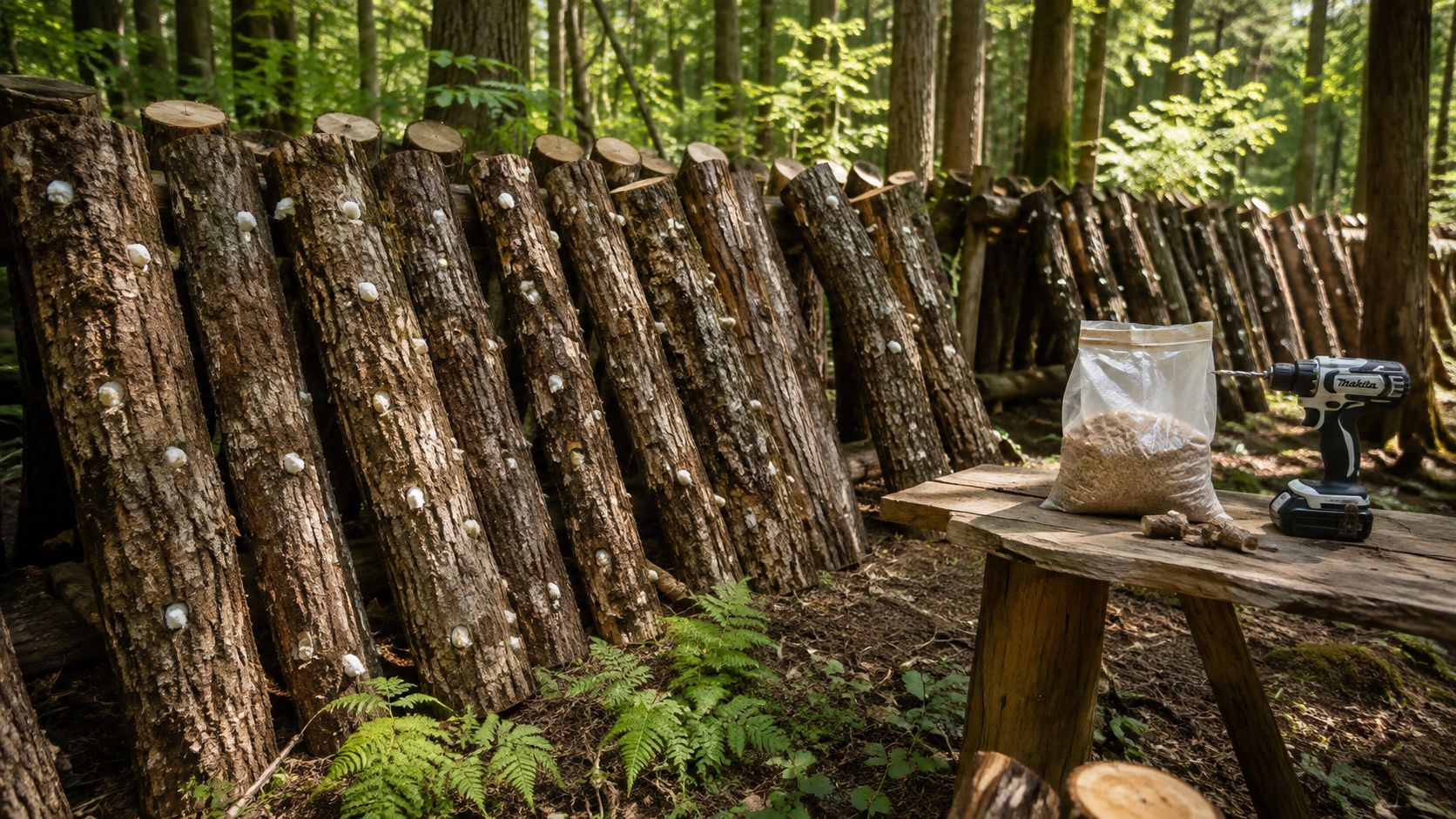
A first-time grower in the Denver metro area usually runs into the same fork in the road. One option is a backyard stack of hardwood logs tucked into shade. The other is a closet grow tent or spare room with sterilized sawdust blocks. Both work, but they ask for very different kinds of patience.
Shiitake is not a weekend mushroom. A log-inoculated crop typically needs a long colonization window before fruiting, while indoor blocks compress the process into a more controlled system that still isn't fast in the way oyster mushrooms can be. That difference matters because the method doesn't just change yield, it changes your entire routine around moisture, airflow, cleanliness, and when you can reasonably expect mushrooms.
Practical rule: choose the method that matches your habits, not the one that sounds more impressive on paper.
What outdoor log culture asks from you
Log culture is the better fit if you have access to fresh hardwood, shade, and a place where logs can sit undisturbed. It's forgiving in one important way, once the logs are inoculated well, the system is relatively stable. You still have to manage moisture and timing, but the wood itself acts like a long-term reservoir.
What indoor blocks ask from you
Indoor sawdust blocks are the opposite. They're compact and tidy, but they punish sloppy sterilization, poor spawn handling, and premature fruiting. If your available space is limited and you're willing to work like a lab tech, blocks can be the more practical choice.
A good way to think about the decision is to ask which mistake you're more likely to make. If you'll forget to mist logs during dry weather, indoor blocks may suit you better. If you're likely to rush sterile work because you're excited to “just get mushrooms,” log culture is safer for your learning curve.
Criterion | Log Culture | Indoor Sawdust Blocks |
|---|---|---|
First harvest timing | Slow, with a long incubation period before fruiting | Faster to manage, but still requires full colonization and browning |
Space needs | Outdoor shade and room for stacked logs | Small indoor footprint, often a closet or grow area |
Climate control | Mostly seasonal and weather dependent | More controllable, but humidity and air exchange matter more |
Sterile discipline | Moderate | High |
Contamination risk | Lower if logs are sound and handled well | Higher if sterilization or inoculation is sloppy |
Long-term use | Multi-season harvest potential | Useful, but more consumable and management heavy |
Growing Shiitake on Hardwood Logs
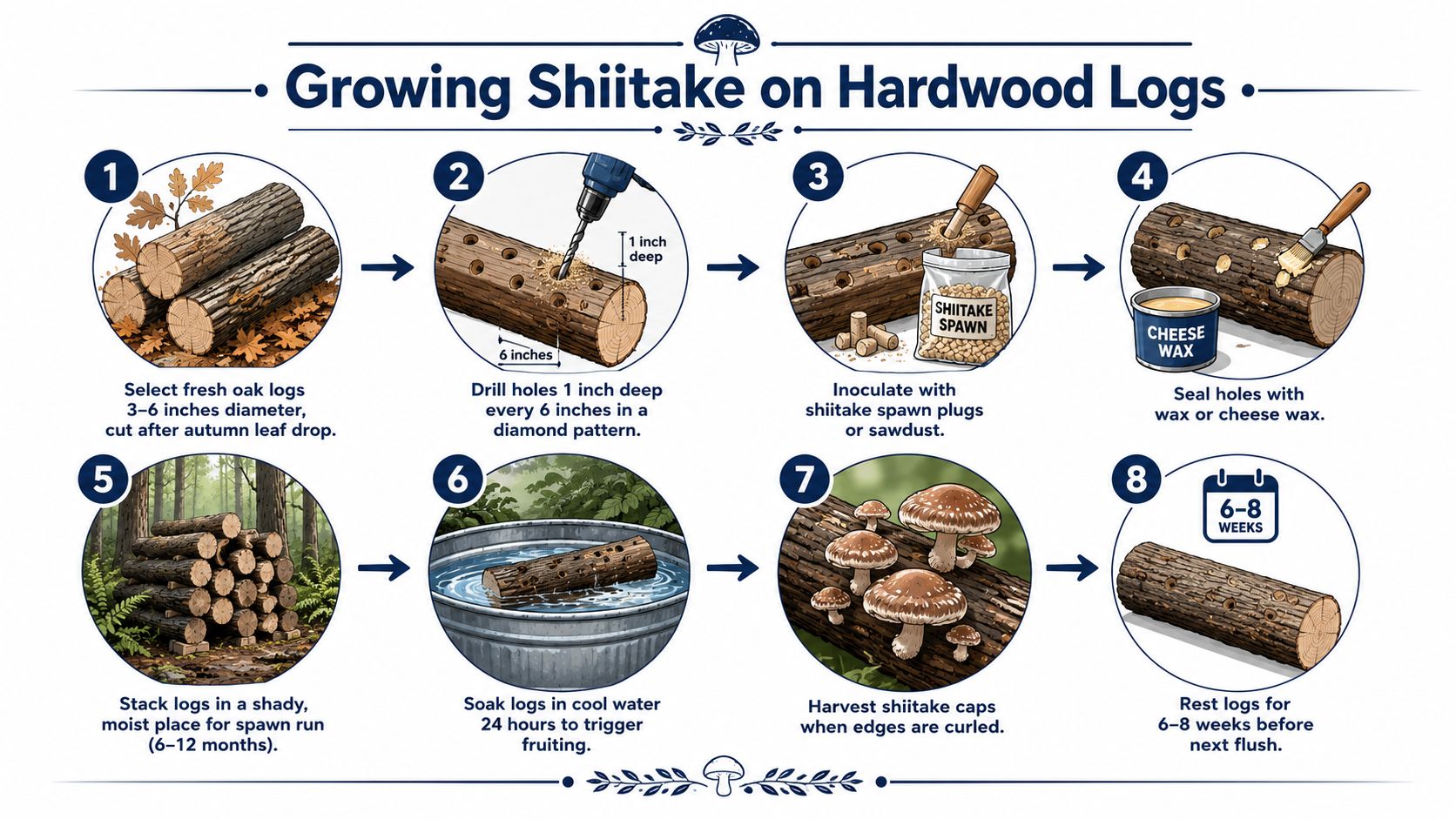
Fresh hardwood is the starting point for a reason. Shiitake feeds on wood that still has useful moisture and intact bark, so the best logs come from live, healthy hardwoods cut at the right season, after leaf drop and before bud break. That timing keeps the wood in a dormancy window that favors inoculation and reduces stress on the log.
A workable commercial-style pattern is straightforward. Drill about 50 holes per 3 to 8 inch-diameter log in a diamond pattern at roughly 1 inch depth, then fill those holes with plug or sawdust spawn and seal each site with wax. The wax does more than make the log look finished, it reduces moisture loss and helps keep competing organisms out of the inoculation points. OSU Extension's shiitake log guidance is a solid technical reference for the pattern, depth, and sealing approach.
Getting the log ready the right way
The log itself matters more than most beginners think. Freshness beats mystery wood every time, and hardwood beats softwood for this crop. The wrong wood species, overly dry logs, and bark damage all create openings for contamination or poor colonization.
After inoculation, logs belong in a shaded, humid site where they can colonize without baking out. They may need 6 to 18 months to fully colonize before fruiting, and that long wait is part of why shiitake logs are a serious commitment rather than a quick novelty. USDA Forest Service guidance notes that log-inoculated shiitake often need a 1.5- to 2-year incubation period before fruiting, then can produce for 4 to 6 years, usually in spring and autumn, which explains why growers treat them as a long-term asset rather than a seasonal experiment.
Logs that stay light, crack, or lose bark too quickly usually need more moisture and better shade, not more enthusiasm.
What usually goes wrong
The common failures are boring, and that's what makes them so frustrating. Dry logs lose the moisture cushion shiitake needs. Poor sealing lets water escape and invites contamination. Using wood outside the preferred hardwood set turns the whole project into a guessing game.
If you're buying spawn rather than making it, this shiitake mushroom plugs guide is the kind of practical reference that helps you match inoculation material to the log method without overcomplicating the process. The main thing to remember is that log culture rewards calm, repeatable handling. Rush the cutting, drilling, or sealing, and the log will remind you later.
Indoor Shiitake on Sterilized Sawdust Blocks
Indoor blocks feel faster because they compress the workflow, but they're not simpler. The substrate starts with hardwood sawdust, usually supplemented with about 10 to 20 percent bran and adjusted to 55 to 60 percent moisture. That blend gives the mycelium a dense, food-rich base, but it also gives contaminants a place to move in if sterilization is sloppy.
The sterilization step is critical. The standard approach uses 121°C for about 2.5 hours before inoculation under sterile conditions. A pressure-sterilized equivalent is often described at 15 PSI for 2.5 hours. Those numbers aren't decoration, they're the difference between a clean block and one that turns into a biology lesson you didn't want.
Why shiitake blocks are slower than many beginners expect
After inoculation, the block incubates at roughly 70 to 80°F, and full colonization commonly takes 8 to 12 weeks. That's already slower than many people assume. Then comes the part that gets rushed the most, the browning phase.
The browning phase matters because shiitake mycelium has to harden before it fruits reliably. A white block is not ready just because it looks colonized. If you force fruiting too early, you usually get weak flushes and inconsistent performance. Indoor growers who respect this stage usually get better results than growers who keep opening bags in hopes that “it's probably ready now.”
Good indoor shiitake blocks look finished before they fruit. That brown shell is a sign of strength, not a cosmetic accident.
Small-space options that make sense
For apartment growers or anyone working with limited space, prepared substrates and all-in-one grow bags remove a lot of the risk, because the sterile work is already done. That's often the smartest choice for a first run, especially if you're still building confidence around humidity, clean handling, and bag management.
If you want to understand spawn sourcing before you commit to a block, this shiitake mushroom spores guide is a useful place to start. The practical lesson is simple, indoor shiitake is less about brute force and more about respecting the bag. Sterile technique, the right moisture, and patience through browning are what separate a usable block from a disappointing one.
Preventing Contamination and Troubleshooting Failed Flushes
Contamination usually shows up before a beginner is ready to admit it. Mold appears as green or black patches. Bacterial problems show up as slimy, foul-smelling areas. On logs, dry bark and stalled pinning often point to moisture loss rather than a ruined crop. On blocks, fruiting too early before browning is complete can leave you with weak results even if the block looked healthy at first.
The first question to ask is whether the issue is local or systemic. A small contaminated spot on a block can justify discarding that block, especially if the smell is bad or the growth is spreading. A log with a dry surface may still recover if the core remains healthy and moisture can be restored carefully. You're not trying to save every piece of substrate, you're trying to save the ones that still have a realistic chance.
Environmental fixes that actually matter
Shiitake responds to environment more than to wishful thinking. Temperature, humidity, and seasonal timing all affect flush reliability. Extension guidance and grow manuals consistently point to the same basics, logs need shade and moisture, blocks need correct sterilization and a managed fruiting environment, and both methods suffer when growers ignore timing.
Use the substrate's behavior as your guide. If pins abort, check temperature and hydration. If stems get long and awkward, you're likely dealing with too much carbon dioxide and not enough fresh air. If caps deform, humidity is probably too low during fruiting. Those aren't mysterious problems, they're management problems.
Habits that protect the grow
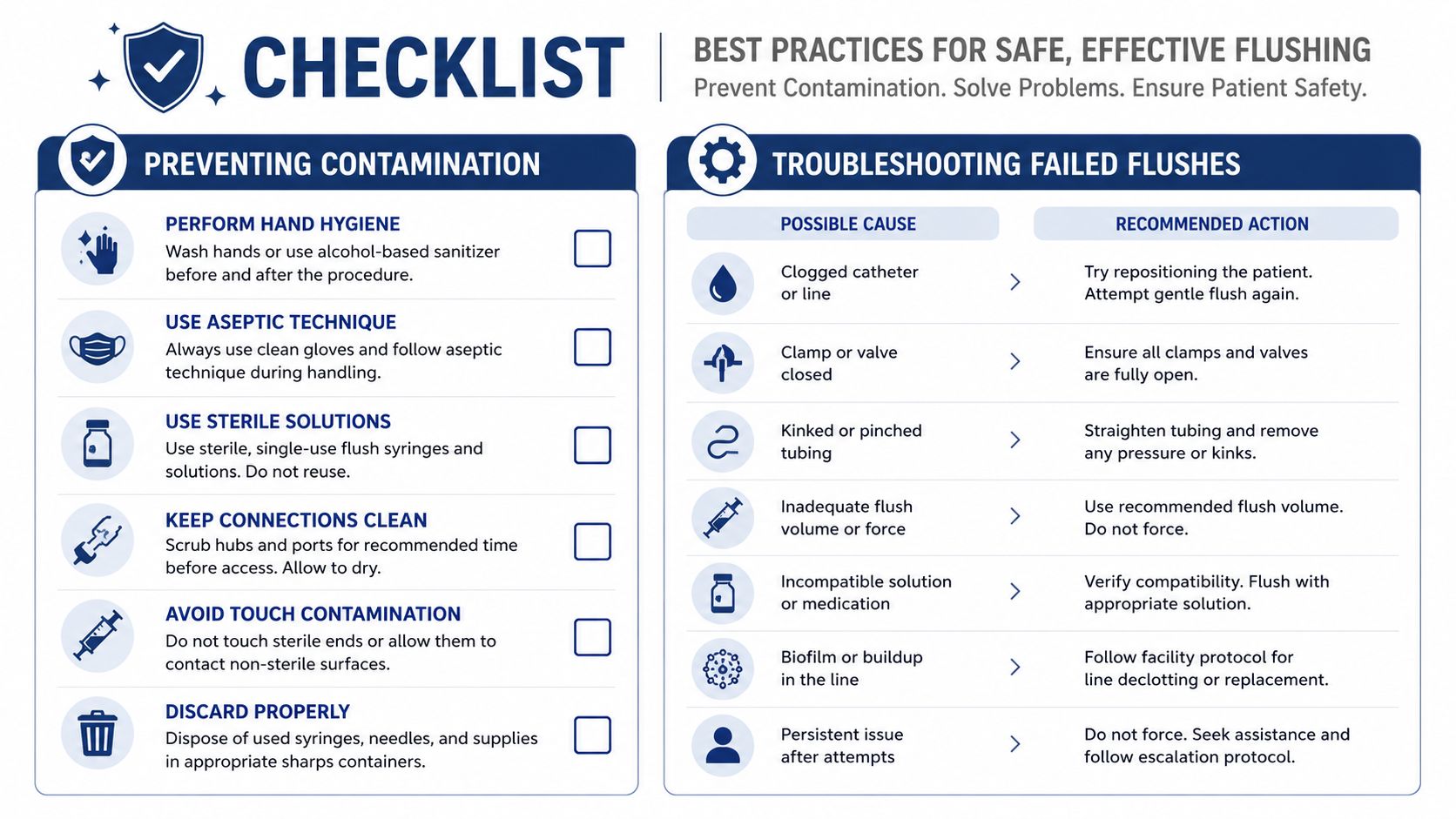
A few habits prevent most failures.
Seal inoculation sites well: Poor wax coverage lets moisture escape and makes contamination more likely.
Sterilize thoroughly: Under-sterilized sawdust blocks are asking for bacterial and mold problems.
Watch moisture before desperation kicks in: Dry logs need moisture management, not panic.
Don't rush fruiting: A block that isn't browned yet isn't being lazy, it's still preparing.
Separate salvageable from compromised material: One bad block can ruin your confidence, but it doesn't need to ruin the whole room.
If you want a tighter overview of clean handling, what sterile technique looks like in mushroom work is worth reading before you start inoculating. The growers who do best with shiitake aren't the ones who never make mistakes. They're the ones who notice the warning signs early and correct the environment before the crop collapses.
Safety, Legal Notes, and Local Learning Resources
Shiitake is a food mushroom, so handling matters. Clean harvests, clean containers, and clean storage all reduce the odds of spoilage after you pick. Whether you're growing logs outside or blocks indoors, the safest habit is to treat every flush like food you intend to eat, not a science project you'll deal with later.
There's also a legal and purchasing side to this hobby. Reputable suppliers keep their cultures, grain, and substrates prepared under strict sterilization standards, and they're the ones worth trusting when you're learning. Colorado Cultures also serves adults 21+ and positions its products for research purposes, so buyers should stay within local rules and use common sense about how and where they grow.
Local learning pays off fast
Hands-on learning shortens the gap between reading and doing. In-person mushroom classes, workshops, and community events give you a chance to see clean inoculation, proper bag handling, and realistic fruiting setup before you spend money on supplies you don't know how to use yet. That's especially helpful if you're in the Denver metro area, where seasonal swings can make timing feel harder than the books suggest.
Wholesale access matters too, especially for educators, garden centers, and resellers who need repeatable supplies rather than one-off kits. The right source won't just sell you a bag, it'll give you a repeatable process, printed instructions, and support when your first run doesn't go perfectly.
The best shiitake growers I've seen don't just buy materials, they learn the workflow behind them.
If you're ready to start with clean substrate, inoculation supplies, or a guided first grow, visit Colorado Cultures for mushroom-growing products, classes, and practical support built around sterile technique and home cultivation.
Comments