
6 Best Pheasant Back Mushroom Recipes for 2026
You've got a pheasant back mushroom on the cutting board, maybe from a successful forage, maybe from a home grow project that finally paid off. The cap looks distinctive, the scent is there, and now the main question hits fast, what cooks well, and what turns tough or stringy? The best pheasant back mushroom recipes start with the same discipline, harvest young, trim the woody parts, slice thin, and cook quickly so the flesh stays usable. That's why this ingredient rewards a practical approach more than a fancy one. For a useful safety reminder on handling sharp tools during prep and field work, see these safety tips for splitting axes.
1. Sautéed Pheasant Back Mushrooms with Garlic and Thyme
A simple sauté is still the cleanest way to learn what pheasant back mushrooms can do. When the caps are young and palm-sized, the texture stays much more cooperative, and the flavor reads as mild, savory, and a little nutty rather than aggressively mushroomy. A good first batch should feel like a side dish you can serve next to eggs, steak, polenta, or pasta without drowning it in sauce.
The technique matters more here than the ingredient count. Wipe the caps with a damp cloth instead of soaking them, then slice them about 1/4-inch thick so they cook evenly and don't clump in the pan. Keep the heat high, move them often, and wait to add garlic until the last couple of minutes so it doesn't scorch.
Practical rule: if the mushrooms start releasing lots of liquid, the pan is too crowded. Give them space, or they'll steam before they brown.
A good finish is butter, olive oil, thyme, and a small splash of white wine. Fresh thyme sprigs work best if you reserve a few for garnish, because that last herb hit makes the dish feel finished without adding complexity. Home growers often use this style first because it shows off a fresh harvest authentically, with very little room to hide poor texture. For a related cooking approach with another cultivated mushroom, the method in Colorado Cultures' hen of the wood cooking guide is a useful companion read.
2. Creamy Pheasant Back Mushroom Risotto
Risotto rewards patience, but pheasant back mushrooms reward timing, so the two work well together when you keep them separate until the end. Cook the mushrooms in their own pan first, then fold them into the rice only after the arborio has already built its creamy body. That keeps the mushroom texture intact and prevents the rice from turning muddy.
Warm broth should go in gradually, with steady stirring, so the grains release starch without breaking down. A brief toast in butter helps the rice stay distinct before the liquid starts going in. If you want the dish to feel rich without becoming heavy, finish with cold butter and Parmesan instead of a big pour of cream.
Why this version works
The mushroom flavor is subtle enough that it won't overwhelm the rice, but it still gives the dish a grounded, earthy center. Add the mushrooms during the final minutes of cooking, not at the start, because prolonged heat is exactly what makes pheasant backs tough. If you've got home-grown caps that are tender but not perfect, risotto is forgiving in a way a straight sauté isn't.
Restaurant-style plating also matters here. A shallow bowl, a small mound of rice, and a few visible mushroom pieces make the dish feel intentional, even if you're cooking at home for a weeknight meal. In Denver, this is the kind of preparation that can pass from a grower's kitchen to a dinner table without losing its appeal.
3. Pheasant Back Mushroom Soup with Cream and Sage
Soup is where larger harvests become an advantage instead of a problem. If you've brought in a pile of pheasant backs from a forage or harvested several usable caps from a grow kit, soup lets you use the stems, trimmings, and smaller bits without wasting the good texture. The key is to extract flavor without overcooking the mushrooms into rubber.
Start by simmering the trimmings into a simple mushroom stock, then strain them out. Sauté the better pieces separately so they caramelize a little before joining the pot, because that early browning adds more depth than stock alone can provide. Add cream slowly and keep the heat moderate so it stays smooth.
Practical rule: if you want a soup that tastes like mushrooms instead of dairy, build the base from the mushrooms first and the cream second.
Fresh sage works especially well here. Fry a few leaves in butter for garnish, and they'll bring a crisp, aromatic edge that cuts through the richness. Blending only half the soup gives you a creamy body while preserving visible mushroom pieces, which helps the bowl feel more substantial. For a recipe development mindset that treats mushrooms as the main event rather than a filler, the Colorado Cultures mushroom appetizer recipes post shows the same kind of ingredient-first thinking in a different format.
This soup is also one of the easiest ways to teach texture control. Too much heat and the mushrooms go leathery. Too little and the flavor stays flat. Keep the simmer gentle, and you'll get a finish that tastes like careful cooking instead of simple convenience.
4. Pheasant Back Mushroom and Herb Pâté
Pâté is the smartest move when you want pheasant back mushrooms to act like a spread, not a main dish. Finely mince the mushrooms or pulse them briefly in a food processor, then sauté them until the moisture is gone before mixing them with cream cheese, herbs, and walnuts. If the mushrooms are still wet, the spread turns loose and loses the rich texture you want on crackers or crostini.
This version works especially well as an appetizer for a dinner party or as a gift for someone who likes foraged food. Tarragon and chervil give it a fresher, more elegant profile than dried herbs ever will. Toasting the walnuts lightly matters too, because it brings out the nutty note that sits naturally alongside the mushroom.
Make it hold together
Cool the mushroom mixture completely before folding in the cream cheese. If you skip that step, the spread softens too quickly and the flavor muddies. Let it sit at room temperature for about 15 minutes before serving so the herbs open up and the texture loosens just enough for spreading.
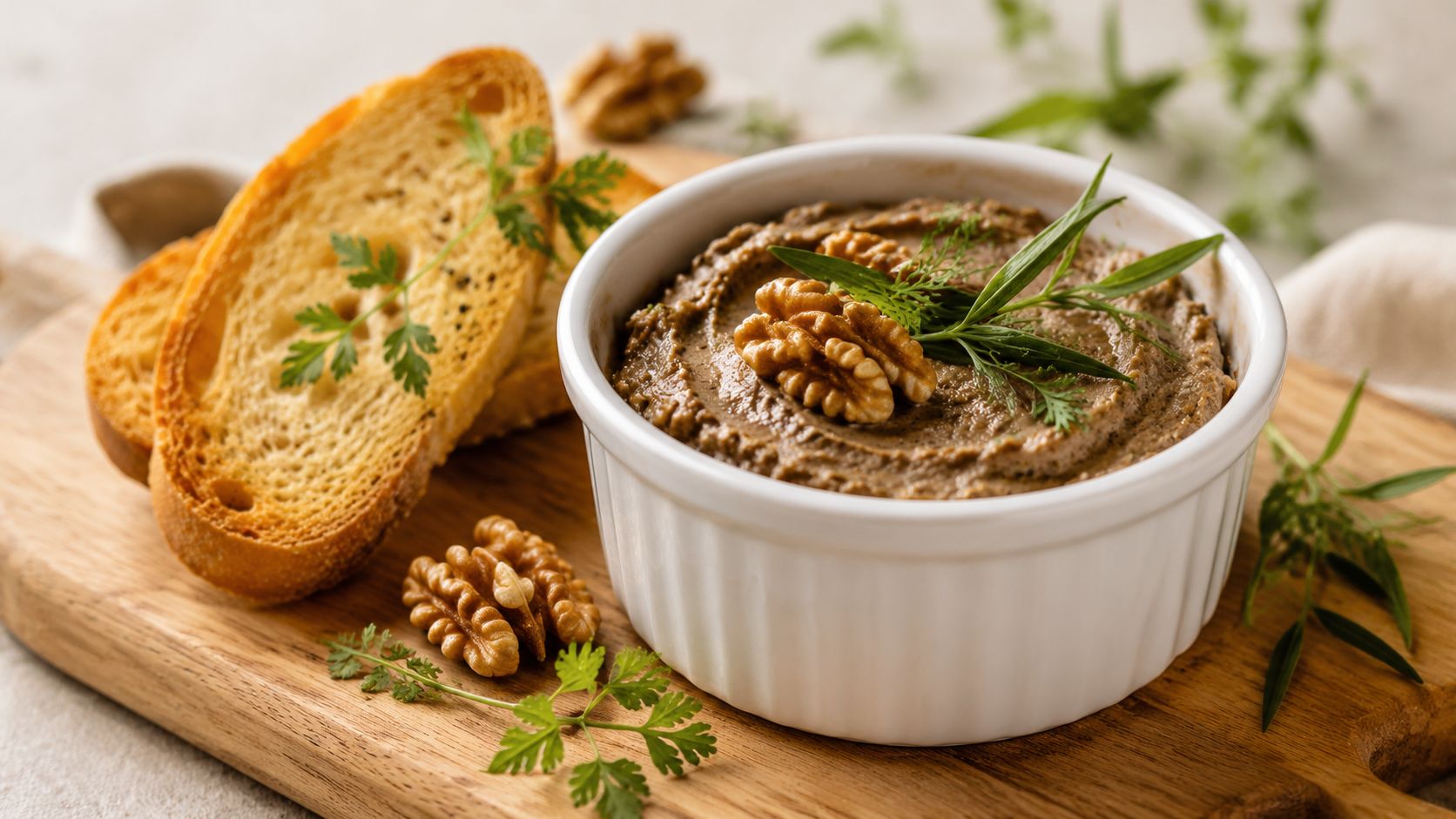
This is one of the best pheasant back mushroom recipes if you want to preserve the personality of a harvest while stretching it into a party-friendly format. Serve it with crackers, sliced vegetables, or toast points, and it disappears fast because it feels both rustic and refined.
5. Roasted Pheasant Back Mushrooms with Balsamic Glaze and Goat Cheese
Roasting gives pheasant backs a different personality than sautéing. Instead of staying delicate, the edges caramelize and the flavor sharpens, which makes this version better for a plated side dish or a vegetarian main. Use whole tender caps or thick halves, pat them dry, and give them enough oil to brown without drying out.
The oven should be hot enough to encourage color, not just soften the mushrooms. Stir them once during roasting so the surfaces cook evenly, then finish with a reduced balsamic glaze and crumbled goat cheese. That sweet-tart and creamy combination gives you contrast without needing a long ingredient list.
Keep the balance right
The biggest mistake here is roasting mushrooms that are already too mature. If the cap is thick, woody, or reluctant to scrape clean, it's better suited to stock or powder than to direct roasting. That's consistent with field guidance that says tougher parts should be removed and that older specimens often work better in secondary uses than in direct pan or oven cooking as the Ohio DNR notes in its pheasant back recipe guidance.
Aged balsamic matters because it brings depth instead of just sharpness. Crumble the goat cheese after roasting so it softens slightly but still keeps shape. If you want a restaurant-style plate, serve the mushrooms on individual dishes with a pinch of fleur de sel and cracked pepper. The result feels much more composed than a generic roasted vegetable side.
6. Pheasant Back Mushroom Pasta with Brown Butter and Crispy Breadcrumbs
Pasta is where pheasant back mushrooms become weeknight luxury. The mushroom flavor stays visible if you keep the sauce restrained, and brown butter adds a nutty base that doesn't bury the ingredient. Fresh pasta works best because it grabs the sauce without needing much reduction, but dried pasta can still work if you reserve enough cooking water.
Brown the butter in a separate pan and watch it closely. It can go from nutty to burnt fast, and once that happens the whole dish tastes harsh. Sauté the mushrooms in the butter, add garlic, finish with lemon juice and zest, then toss with pasta and a little reserved pasta water to loosen everything into a glossy coating.
Build texture on top
Crispy breadcrumbs change the dish from good to memorable. After the mushrooms come out, use the same skillet to toast breadcrumbs with sage until they're golden and fragrant. That reuse of the pan picks up mushroom flavor from the fond and keeps the topping connected to the rest of the dish.
The internal reference for this style sits nicely with Colorado Cultures' polyporus squamosus recipe collection, which is useful if you're comparing different ways to handle the same mushroom family. A related pasta technique that leans on restraint rather than cream-heavy sauce is also echoed in Everti's mushroom carbonara guidance, though the pheasant back version needs even more attention to texture because of its tendency to toughen.
Serve this one hot, immediately after tossing. The breadcrumbs should stay crisp, the lemon should stay bright, and the mushroom slices should still feel tender. That timing is what makes the dish work.
Pheasant Back Mushroom Recipe Comparison
Recipe | 🔄 Complexity | ⚡ Time / Efficiency | 💡 Resources & Skills | 📊 Expected Outcomes | ⭐ Key Advantages |
|---|---|---|---|---|---|
Sautéed Pheasant Back Mushrooms with Garlic and Thyme | Low, simple sauté, timing-sensitive | ⚡ ~15 min, very efficient; best served fresh | Basic pantry ingredients; skillet, high-heat technique | Delicate, nutty mushroom flavor preserved; side or pasta topping | Showcases harvest quality; economical; beginner-friendly |
Creamy Pheasant Back Mushroom Risotto | Medium–High, constant stirring, timing-critical | ⏳ 30–40 min total; attentive process | Arborio rice, warm broth, white wine, Parmesan; risotto technique | Creamy, restaurant-quality entree for 4–6 | Impressive presentation; maximizes harvest; skill-building |
Pheasant Back Mushroom Soup with Cream and Sage | Medium, stock-making + sautéing; optional slow-cook | ⏳ 40–60 min; freezer-friendly for meal prep | Broth/stock technique, blender (optional), cream, sage | Deep umami soup; serves 4–6; good for batch cooking | Uses larger harvests; freezes well; versatile (veg/vegan adaptable) |
Pheasant Back Mushroom and Herb Pâté | Medium, prep-heavy (mincing/processing), refrigeration | ⏳ Prep ~30–45 min + chill 4+ hrs; shelf-life 5–7 days refrigerated | Food processor or fine mincing, cream cheese, walnuts, fresh herbs | Smooth spread for charcuterie; giftable, fridge-stable short-term | Extends shelf life; elegant appetizer; minimal cooking |
Roasted Pheasant Back Mushrooms with Balsamic Glaze and Goat Cheese | Low, hands-off roasting, attention to browning | ⚡ ~25–30 min (20–25 min roast); low active time | Oven, high heat, aged balsamic, goat cheese; drying for caramelization | Caramelized, textural contrast; elegant side or vegetarian main | Simple to execute; visually striking; deepened flavors if rested |
Pheasant Back Mushroom Pasta with Brown Butter and Crispy Breadcrumbs | Medium, multi-step timing (brown butter, pasta, crumbs) | ⚡ ~30 min; timing-dependent to serve hot | Fresh pasta preferred, butter browning skill, skillet for breadcrumbs | Nutty, textural pasta dish; weeknight-to-entertaining flexibility | Restaurant-quality in short time; scalable; strong texture contrast |
Beyond the Recipe
The best pheasant back mushroom recipes all start before the pan ever heats up. Young, palm-sized caps give you the best eating quality, while larger or older specimens tend to get tougher and are often better redirected into drying, powder, stock, or another secondary use. That's why trim decisions matter so much. If the stem is woody, remove it. If the pore surface won't scrape cleanly, don't force it into a direct-cook dish when broth or seasoning powder makes more sense.
Storage is straightforward. Keep fresh pheasant backs in a paper bag in the refrigerator, and use them within about a week if they're still in good condition. Paper helps manage moisture better than plastic, which matters because these mushrooms already have a strong tendency to move from tender to limp or leathery if they sit too wet. For longer keeping, sautéing before freezing is the most practical route because it preserves usable texture better than freezing them raw.
The bigger lesson is that this mushroom rewards attention at every step. A careful forager, a patient grower, and a cook who respects thickness, moisture, and heat will get far better results than someone trying to treat it like a button mushroom. That's what makes pheasant back such a satisfying project. You don't just harvest it, you learn how to handle it.
If you want to keep improving from grow kit to kitchen, Colorado Cultures can help with the whole process. From sterilized grain bags and all-in-one grow bags to classes, tools, and practical support, they make it easier to grow mushrooms worth cooking. Visit Colorado Cultures to explore supplies, tutorials, and community learning that can turn your next harvest into a better meal.
Comments